Fuente oficial: https://www.gob.mx/bienestar
Here’s an SEO-optimized article on the Subsidio de Atención Económica para Familias en Contexto Vulnerable, focusing on readability and user engagement:
«`html
Subsidio de Atención Económica para Familias en Contexto Vulnerable: A Financial Lifeline 💰
Navigating financial hardship can be incredibly challenging, especially for families facing social vulnerabilities. Fortunately, many countries offer support programs designed to alleviate these burdens. One such program is the Subsidio de Atención Económica para Familias en Contexto Vulnerable, a financial aid initiative aimed at providing crucial assistance to households struggling with economic hardship. This article will delve into the details of this subsidy, exploring its purpose, eligibility requirements, application process, and overall impact.
What is the Subsidio de Atención Económica? 🤔
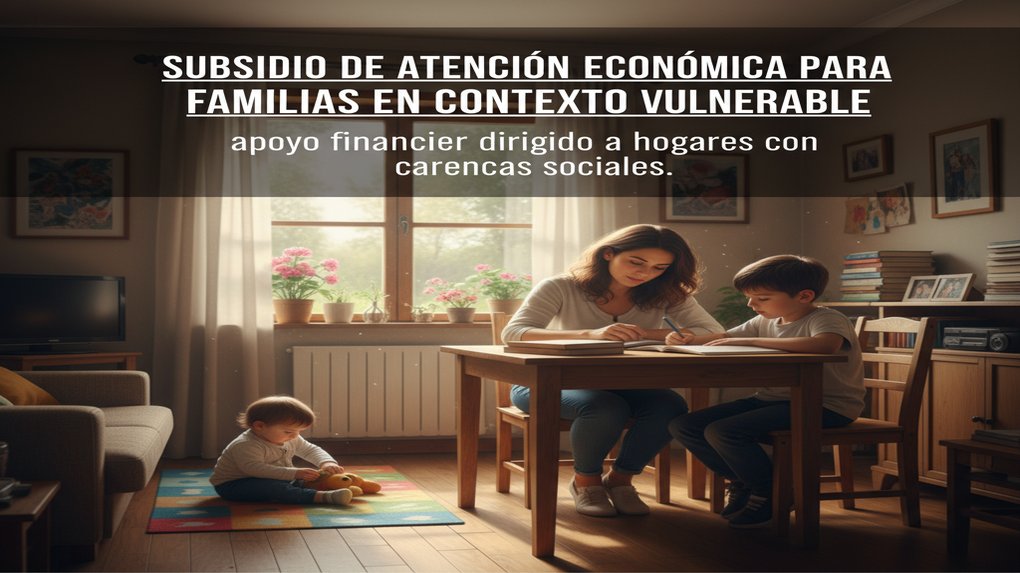
The Subsidio de Atención Económica para Familias en Contexto Vulnerable, often translated as the Economic Support Subsidy for Families in Vulnerable Contexts, is a government-led financial aid program. Its primary goal is to **provide economic relief to families facing social and economic challenges**. These challenges can include unemployment, low income, disability, or other circumstances that make it difficult for families to meet their basic needs. The subsidy is typically distributed as a recurring payment, offering a stable source of income to help families manage their expenses.
Who is Eligible for the Subsidio? 📝
Eligibility criteria can vary depending on the specific country or region offering the subsidy. However, some common requirements often include:
- Income Level: Families must typically demonstrate an income below a certain threshold, indicating financial need.
- Family Composition: Priority is often given to families with dependent children, elderly members, or individuals with disabilities.
- Social Vulnerability: Applicants may need to demonstrate specific social vulnerabilities, such as unemployment, lack of access to education or healthcare, or living in a disadvantaged community.
- Residency: Applicants usually need to be legal residents or citizens of the country or region offering the subsidy.
It’s crucial to **carefully review the specific eligibility requirements** outlined by the administering agency in your area.
How to Apply for the Subsidio: A Step-by-Step Guide ✍️
The application process usually involves several steps:
- Research: Begin by researching the specific subsidy program available in your region. Look for official government websites or social service agencies that provide information about the program.
- Gather Documentation: Collect all necessary documents, such as proof of income, identification, residency verification, and any documents supporting your claim of social vulnerability (e.g., medical records, unemployment letters).
- Complete the Application Form: Obtain the application form from the administering agency. Fill it out accurately and completely, providing all requested information.
- Submit the Application: Submit the completed application form along with all required documents to the designated office or online portal.
- Follow Up: After submitting your application, follow up with the agency to check on its status. Be prepared to provide additional information or documentation if requested.
Patience is key throughout the application process. Government agencies often handle a large volume of applications, so it may take some time to receive a response.
The Impact of the Subsidio: Transforming Lives ❤️
The Subsidio de Atención Económica can have a profound impact on the lives of vulnerable families. It provides a crucial safety net, helping them to meet their basic needs, such as food, shelter, and healthcare. The subsidy can also empower families to invest in their future, by enabling them to access education, job training, or other opportunities for advancement.
Here are some specific ways the subsidy can help:
- Reduced Poverty: By providing a stable source of income, the subsidy can help families escape poverty and improve their overall standard of living.
- Improved Health: Access to financial resources allows families to afford healthcare services, leading to improved health outcomes.
- Enhanced Education: The subsidy can help families afford school supplies, uniforms, and other educational expenses, enabling children to stay in school and pursue their education.
- Increased Financial Stability: The subsidy can help families manage their finances more effectively, reducing stress and improving their overall well-being.
Challenges and Considerations 🚧
While the Subsidio de Atención Económica is a valuable program, it’s important to acknowledge some of the challenges and considerations associated with it.
- Limited Funding: Funding for these programs is often limited, which means that not all eligible families may receive assistance.
- Bureaucracy: The application process can be complex and time-consuming, which can be a barrier for some families.
- Stigma: Some individuals may feel ashamed or embarrassed to apply for government assistance, even if they are eligible.
- Dependency: There is a risk that some families may become overly reliant on the subsidy, which can discourage them from seeking employment or other opportunities for self-sufficiency.
Addressing these challenges requires ongoing efforts to improve the efficiency and accessibility of the program, reduce stigma, and promote self-sufficiency among beneficiaries.
Alternatives and Complementary Support 🤝
The Subsidio de Atención Económica is often one piece of a larger social safety net. Families may also benefit from other forms of support, such as:
- Food Banks and Pantries: These organizations provide free food and other essential items to individuals and families in need.
- Housing Assistance Programs: These programs help low-income families afford housing by providing rent subsidies or other forms of assistance.
- Job Training Programs: These programs provide individuals with the skills and training they need to find employment.
- Healthcare Services: Free or low-cost healthcare services are available to eligible individuals and families.
It’s important to **explore all available resources** to ensure that families receive the support they need to thrive.
Staying Informed and Advocating for Change 📣
Staying informed about the Subsidio de Atención Económica and other social welfare programs is crucial. You can stay up-to-date by:
- Following Government Agencies: Monitor the websites and social media accounts of government agencies responsible for administering the subsidy.
- Connecting with Social Service Organizations: Engage with local social service organizations that provide information and support to vulnerable families.
- Participating in Advocacy Efforts: Advocate for policies and programs that support vulnerable families and promote social justice.
By staying informed and engaged, you can help ensure that the Subsidio de Atención Económica continues to provide a vital lifeline for families in need.
Conclusion
The Subsidio de Atención Económica para Familias en Contexto Vulnerable is an essential resource for households facing economic hardship. Understanding its purpose, eligibility criteria, and application process is crucial for those who may benefit from this support. By leveraging this subsidy and exploring other available resources, families can overcome financial challenges and build a brighter future. This knowledge empowers individuals to seek help and advocate for policies that strengthen social safety nets.
«`
Si deseas más información visita el sitio oficial: aquí.